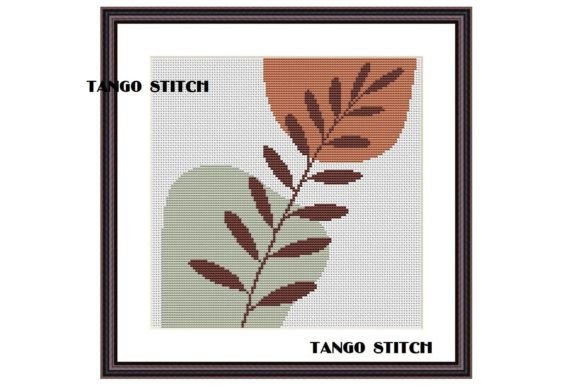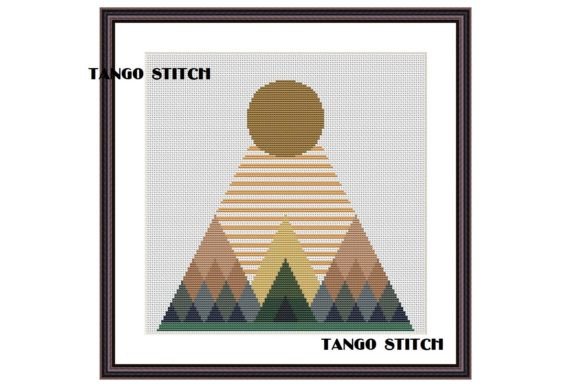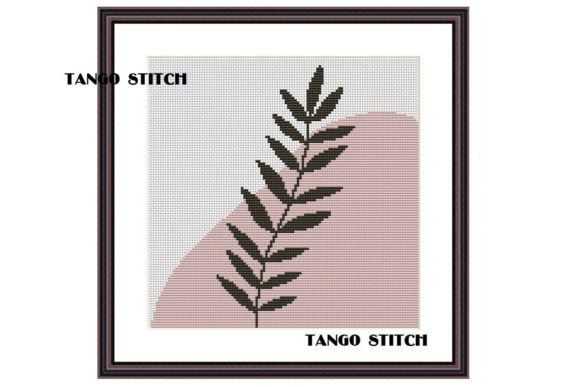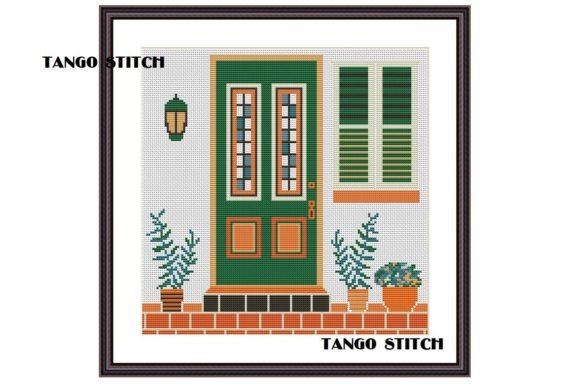
Modern Country House Cross Stitch Art
A Practical Review for Small Business Merch & Branded Patches
As an embroidery designer who’s developed hundreds of commercial designs for cafés, boutiques, florists, pet brands, and handmade studios, I approach every new pattern with two questions: Will it translate cleanly to real-world embroidery? and Does it strengthen a small business’s brand identity—not just decorate it? That’s why I took a close look at the Modern Country House Cross Stitch Art before recommending it for staff uniforms, embroidered patches, tote bags, or boutique merchandise. Here’s what stands out—and what demands attention.
First Impression: Warm, Handmade, and Quietly Confident
The title alone—Modern Country House Cross Stitch Art—sets clear visual expectations: not overly rustic, not starkly minimalist, but thoughtfully balanced. It leans into warmth and approachability without sacrificing polish. The description (“Home cute house cross stitch pattern, Tango Stitch… dreamy little home”) confirms its personality: friendly, nostalgic, and intentionally gentle—ideal for businesses that lead with authenticity over flash. This isn’t a bold corporate logo; it’s a quiet signature. Think café aprons stitched above a chalkboard menu, a floral shop’s embroidered tote bag, or a local bakery’s sleeve detail on staff shirts. Its strength lies in its sincerity—not its scale.
Real-World Performance Across Merch Channels
In practice, the Modern Country House Cross Stitch Art shines where small business merch needs character *and* clarity. As an embroidered patch, it reads beautifully at 2.5”–3.5” wide—clean lines hold up well in standard twill or chenille backing. On staff aprons or caps, it works best centered on the chest or left side of the front panel—its horizontal orientation and moderate height avoid distortion on curved surfaces. For tote bag design, it anchors the lower corner or upper flap elegantly, especially when paired with subtle thread colors like oatmeal, slate blue, or charcoal.
It also supports layered branding: use it as a secondary mark beside a primary logo on product packaging accents or customer thank-you tags. As a machine embroidery design, its open composition avoids excessive stitch density—critical for breathable fabrics like cotton poplin or linen-blend work shirts. And because it’s rooted in cross stitch tradition, it reinforces a handmade product ethos without requiring hand-stitching—giving craft-based brands instant visual credibility.
Where to Use It Thoughtfully
This design excels—but it has boundaries. Avoid scaling it below 1.75” for cap fronts or tiny sleeve details; fine outlines and interior negative space may collapse or blur during embroidery digitization. On dark uniforms (navy, black, deep forest), confirm contrast by testing thread colors against fabric swatches—light ecru or soft grey threads often read more clearly than stark white. Also, be mindful of fabric texture: highly napped or loosely woven materials (like some canvas totes or fleece) can obscure delicate line definition, so always test on the *actual* substrate with proper stabilizer.
If your small business plans frequent washing (e.g., restaurant aprons or daycare staff shirts), ensure the final embroidery file uses secure underlay and appropriate satin/running stitch ratios—don’t assume the original cross stitch pattern translates directly to machine-ready output without refinement.
Brand Identity Impact: Subtle but Strategic
The Modern Country House Cross Stitch Art doesn’t shout—it invites. That makes it powerful for building recognition over time. Customers begin to associate that gentle house motif with your café’s cozy vibe, your florist’s seasonal charm, or your pet brand’s nurturing tone. Unlike generic icons, it carries narrative weight: home, care, place, belonging. Used consistently across custom apparel, packaging, and digital mockups, it builds visual consistency without rigidity. And because it feels authentically crafted—not algorithmically generated—it boosts perceived value and buyer engagement, especially among audiences drawn to artisanal quality.
Practical Designer Notes Before Production
Before committing to bulk runs or client delivery, here’s my checklist:
- Test in black and white first—verify silhouette integrity and legibility without color distraction.
- Check patch-size viability—scale down to 2” and assess if key elements (roof peak, window shape, chimney) remain distinct.
- Review thread color contrast—especially for light-on-dark or dark-on-light applications.
- Inspect spacing and isolation—ensure no isolated stitches or floating elements that could snag or unravel.
- Confirm hoop size compatibility—does it fit comfortably within common commercial hoops (e.g., 4”x4”, 5”x7”)?
- Test on real fabric—not just software simulation—with the exact stabilizer and needle type you’ll use.
- Create a printable mockup for client approval—show it on actual garment photos, not blank templates.
- Compare beside other design assets—does it harmonize with your logo, typography, and color palette?
- Verify commercial licensing—since this is listed as a Graphics asset in the Cross Stitch Patterns category, confirm it permits commercial embroidery, resale on physical goods, and inclusion in digital embroidery file bundles.
Remember: the original description mentions “Tango Stitch” and positions it as a DIY project—so while it’s charming for hobbyists, adapting it for professional embroidered patch or small business merch requires intentional digitizing, not just direct import.
Final Thought: A Quiet Anchor for Authentic Brands
The Modern Country House Cross Stitch Art won’t dominate a tradeshow booth—but it might be the detail that makes a customer pause, smile, and remember your name. For small businesses building trust through warmth and craftsmanship, it’s less a decoration and more a quiet promise: We make things with care. We belong here. So do you. Used wisely—with attention to scale, fabric, and context—it becomes more than a design. It becomes part of your story.