Bad Witch Season Hat
A Designer’s First Look: Playful, Not Precious
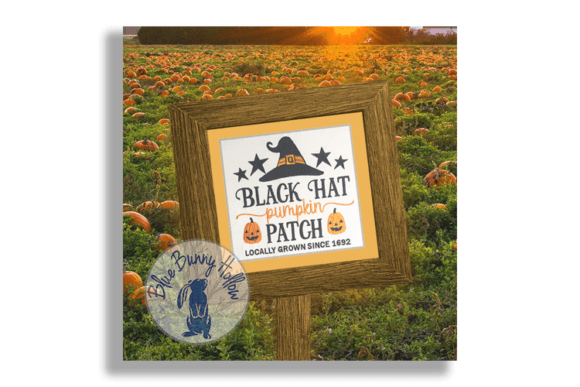
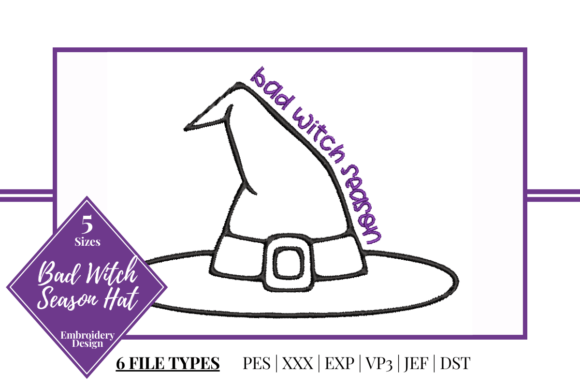
When Bad Witch Season Hat popped up on my screen during a batch review for fall client work, I paused—not because it’s flashy, but because it *settles*. It doesn’t scream “Halloween” with fangs and gore; it leans into the warm, slightly mischievous energy of late October: dried herbs in mason jars, candlelit porch swings, black cats on quilted pillows. The composition feels intentional—balanced but not rigid, with subtle asymmetry in the witch’s hat brim and a soft curve to the lettering that avoids cartoonish stiffness. As a machine embroidery design, it reads clearly at 3.5–4 inches wide, which makes it ideal for centered placement on sweatshirts, tote bags, or pillow covers without overwhelming the item.
Real-World Stitch Test: That Tote Bag Moment
Last week, I prepped a custom order: a natural canvas tote for a local apothecary shop launching their “Witchy Wellness” holiday line. I chose Bad Witch Season Hat for the front panel—not as a gag, but as branding with personality. After hooping medium-weight cutaway stabilizer and testing on scrap canvas, the stitch-out held up beautifully. The satin stitch on the hat band stayed crisp, the fill stitch in the brim had enough texture to read as fabric—not plastic—and the lettering remained legible even at 3.75". Customers who saw the mockup responded with immediate recognition (“Oh! That’s *us*”) and warmth—not just seasonal cheer, but brand alignment. That tells me this isn’t just a Halloween embroidery file; it’s a quiet storytelling tool.
Where It Shines (and Where It Needs Care)
- Custom apparel: Works cleanly on midweight cotton blends—think crewneck sweatshirts and relaxed-fit tees. The design’s moderate stitch density avoids puckering on stable knits.
- Tote bags & tea towels: Excellent scale and contrast for natural fibers. No need for heavy underlay—just light tear-away stabilizer keeps lines clean.
- Baby embroidery & nursery decor: Gentle enough for onesies or muslin pillow covers—but avoid dense fill areas near seams where stitching could stiffen delicate fabric.
- Embroidered patch potential: With minor cleanup (tightening stray jump stitches), it converts well to an iron-on or sew-on patch. Just confirm your backing thread matches your top color choice.
Fabrics That Ask for Extra Attention
Don’t assume Bad Witch Season Hat behaves the same everywhere. On dark fabric? Test thread colors first—the original palette may vanish without contrast adjustment. On stretchy fabric like ribbed knits? Use topping (like water-soluble film) over the design area to prevent skipped stitches in the curved hat brim. On textured fabrics—burlap, heavy linen, or terry cloth—the fine details in the lettering can blur if stitch density isn’t balanced. And cap embroidery? Possible, but only with a small-hoop-ready version—this layout assumes a flat surface. If you’re using it on curved surfaces, verify hoop compatibility before committing to production.
What This Design Says About Your Finished Product
Using Bad Witch Season Hat subtly elevates perceived value—not through complexity, but through cohesion. It reads as handmade *with intention*, not just handmade *because it’s easy*. For Etsy sellers and small shop owners, that matters: customers scroll past generic pumpkins but pause for something that feels curated. It supports brand consistency when used across product types (e.g., matching aprons + kitchen towels for a boutique café), and it increases giftability—people buy embroidered items as keepsakes, and this design carries tone, not just theme. No forced whimsy. No dated clipart energy. Just confident, seasonally grounded embroidery project execution.
Practical Designer Notes Before You Stitch
- Always run a test on scrap fabric *identical* to your final material—including stabilizer and thread.
- Check how the design reads in black-and-white mockups—some thread color combos lose hierarchy in grayscale previews.
- Compare stitch clarity on both light and dark backgrounds; adjust underlay or density if needed.
- Inspect small corners—especially where the hat meets the text—for potential thread nesting or loose ends.
- Confirm licensing terms before selling finished products or bundling the digital embroidery file with other design assets.
- If offering personalized gifts, note that the design’s charm lies in its simplicity—avoid overloading it with names or dates unless they’re integrated cleanly (a separate monogram block works better than cramming initials into the brim).
Final Thought: A Quietly Versatile Workhorse
Bad Witch Season Hat won’t dominate your portfolio—but it will earn repeat use. It fits seamlessly into craft business workflows: quick turnaround for holiday markets, reliable performance on common substrates, and enough character to stand out in a sea of generic embroidery files. It’s not trying to be everything. It’s doing one thing well: giving your handmade product a whisper of magic, grounded in real stitch quality and thoughtful design rhythm. Whether you’re embroidering a baby onesie, a boutique apron, or a limited-run sweatshirt drop, this is the kind of embroidery design that builds trust—not with flash, but with consistency, clarity, and quiet confidence.