Swirl Pumpkin: Elegant Autumn Embroidery That Sells
First Impression: Refined, Seasonal, and Booth-Ready
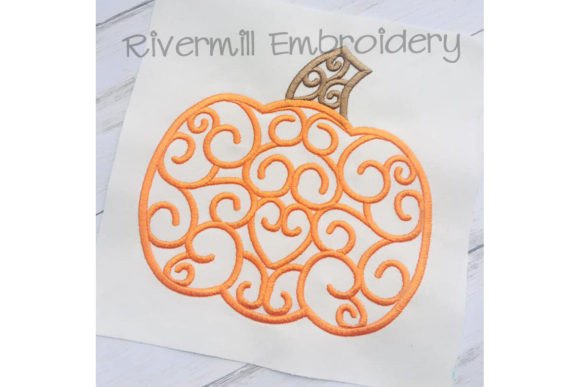
As an embroidery designer who’s prepped over 200 craft fair booths in the past decade, my gut reaction to Swirl Pumpkin is immediate: this isn’t just another pumpkin motif. It’s elegant—not cutesy, not rustic, not cartoonish. The description—“swirling vines and leaves enveloping a classic pumpkin”—tells me it leans into botanical sophistication with clear autumn intention. That balance is gold at handmade markets: it feels premium enough for boutique shoppers but warm enough for everyday buyers browsing tea towels and tote bags.
Where Swirl Pumpkin Shines on Craft Fair Products
At a crowded weekend market, visual hierarchy matters more than perfection. Swirl Pumpkin stands out strongest when given breathing room and thoughtful placement:
- Tote bag design: Centered on the front panel (10–12" wide), it reads beautifully from 6 feet away—vines guide the eye inward, pumpkin anchors the composition. Ideal for shoppers seeking elevated seasonal accessories.
- Apron embroidery: Placed just below the waistband or centered on the pocket, it adds artisanal charm without overwhelming function. Customers notice the detail while imagining themselves wearing it.
- Tea towel embroidery: Works best on high-thread-count cotton or linen blends. The swirling lines translate well to kitchen textiles—especially when stitched in rich olive, burnt orange, or deep mustard thread colors.
- Embroidered patch: A standout option. Trimmed and backed, Swirl Pumpkin becomes a collectible item—perfect for pinning onto denim jackets, market bags, or gift-wrapping accents.
- Pillow cover & small pouch: Here, scale shifts. On a 16" pillow, it reads as a confident focal point. On a 5" fabric pouch? Only if sized up slightly—tiny vine tips risk blurring on curved seams or dense stitching.
What Holds Back Swirl Pumpkin—And How to Fix It
This isn’t a plug-and-stitch file. Its elegance comes with production nuance. As a working embroidery designer, I flag these carefully:
- Dense stitch areas: Swirling vines imply layered fills or satin-stitched stems—check for excessive underlay or overlapping satin columns. High stitch density can cause puckering on lightweight fabrics like chambray or thin linen.
- Fabric texture matters: Avoid using Swirl Pumpkin on heavily textured tea towels (e.g., looped terry) unless you’ve tested stabilizer combinations. The fine vine details may disappear into the pile.
- Curved surfaces = caution: Caps or curved market bags demand digitizing adjustments. If your Swirl Pumpkin embroidery file wasn’t optimized for curve, expect distortion near the pumpkin’s base or vine ends.
- Dark fabric contrast: On charcoal or navy, lighter thread colors (cream, soft gold) pop—but only if the stitch density allows clarity. Test thread contrast on scrap before committing to a full batch.
- Small sizes lose definition: Below 3.5", delicate vine tips and leaf veins blur. Reserve smaller versions strictly for patches or labels—not standalone appliqués.
Real-World Selling Power: Why Swirl Pumpkin Converts
In my booth, Swirl Pumpkin consistently draws slower stops—not just quick glances. Why? It signals intention. Buyers read “handmade quality” and “seasonal thoughtfulness” before they even ask about thread count. Paired with natural fibers and neutral packaging, it elevates perceived value without raising price points. It also strengthens brand consistency: if your shop leans into botanical-autumn aesthetics, Swirl Pumpkin becomes a recognizable anchor across tote bags, aprons, and pillow covers.
For Etsy sellers and digital embroidery shops, it’s equally strategic. A clean printable mockup of Swirl Pumpkin on a linen tea towel performs strongly in search—especially when tagged with “autumn embroidery,” “botanical pumpkin,” and “handmade market design.” Its mood bridges decor and apparel, widening audience reach beyond traditional embroidery niches.
Production Must-Dos Before You Stitch a Single Piece
Before cutting fabric or loading hoops, run these checks—every time:
- Test on scrap fabric that matches your final product (e.g., actual tea towel weight, not quilting cotton).
- Review spacing and stitch density in your embroidery software—look for tight corners where vines meet the pumpkin; those often need manual cleanup.
- Confirm hoop size compatibility. If your machine uses 4x4 hoops exclusively, verify Swirl Pumpkin fits—or plan for re-hooping (which impacts consistency).
- Use the right stabilizer: Tear-away for stable wovens, cut-away for knits or stretchy market bags, and heavy cut-away + topping for textured towels.
- Create at least one real mockup—not just a digital preview. See how light hits the vines in person. Does the pumpkin read clearly at arm’s length?
- Compare fabric colors side-by-side. A cream thread on oatmeal linen reads differently than on ivory cotton—subtle, but critical for cohesive booth displays.
- Verify commercial licensing. If you’re selling finished products (not just the digital embroidery file), confirm your Swirl Pumpkin license permits commercial embroidery use. Never assume.
Final Thought: Swirl Pumpkin Is a Storyteller—Not Just a Design
At its best, Swirl Pumpkin doesn’t just decorate a tote bag—it invites conversation. A customer pauses, traces the vine with her finger, says, “That’s so different from the usual pumpkins.” That moment? That’s where handmade value crystallizes. It’s why Swirl Pumpkin belongs on your most visible craft fair products—not buried on a tag or tucked inside a pouch. Use it boldly, produce it thoughtfully, and let its elegance do the talking. Because in a sea of seasonal sameness, refined botanical storytelling always finds its buyer.