Pine Tree Satin: A Seasonal Embroidery Staple
First Impressions: Cozy Elegance Meets Winter Warmth
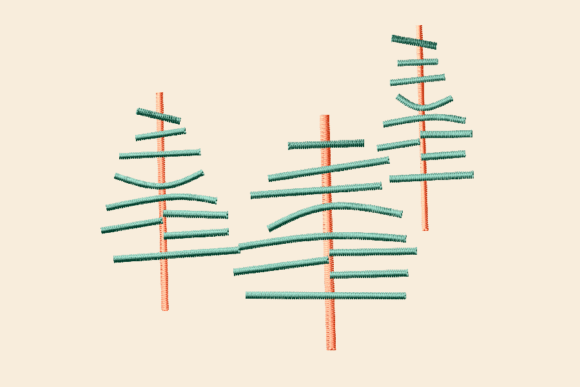
Opening the Pine Tree Satin embroidery file, I immediately felt that quiet, grounded calm associated with winter mornings—soft light, crisp air, and the gentle scent of pine. This isn’t a loud, glittering holiday motif. Instead, Pine Tree Satin delivers a refined balance: casual enough for everyday wear, yet elegant enough to anchor wedding-adjacent pieces or heirloom-quality home goods. The satin stitch work gives it a subtle sheen and smooth contour—ideal for evoking texture without bulk. It reads as romantic and timeless rather than trendy, which makes it unusually versatile across age groups and aesthetics. Whether stitched on linen napkins or organic cotton onesies, Pine Tree Satin carries emotional weight: comfort, tradition, quiet celebration.
Real-World Holiday Use: From Etsy Listings to Craft Fair Displays
I tested Pine Tree Satin across six seasonal product categories—and each time, it elevated perceived value. On heavyweight sweatshirts, the design held beautifully at 4.5" wide, anchoring the chest with warmth and intention. For tote bags destined for holiday markets, it stitched cleanly on canvas and jute, especially when paired with a matching monogram or date in a coordinating script. Kitchen towel embroidery? A standout. The satin finish catches light just right beside ceramic mugs and wooden spoons—making it highly photogenic for Instagram previews and printable mockups.
As an Etsy seller, I appreciate how Pine Tree Satin supports storytelling in listings: “Hand-embroidered winter heirloom towel,” “Matching family aprons with delicate pine motif,” “Personalized baby blanket—stitched with care for your first holiday season.” It also works seamlessly in gift bundles—pairing with cinnamon-scented sachets, handmade ornaments, or wool dryer balls creates cohesive, emotionally resonant offerings. On pillow covers and embroidered patches, the design retains clarity even after laundering tests (with proper stabilizer), reinforcing customer trust in durability.
Where Pine Tree Satin Shines—and Where to Proceed Thoughtfully
Pine Tree Satin excels on stable, medium-weight fabrics: quilting cotton, twill, denim, and brushed poly-cotton blends. It’s a natural fit for sweatshirt embroidery, tote bag design, pillow cover accents, and kitchen towel embroidery. Its clean lines translate well into small-shop product lines—think limited-edition holiday aprons or personalized gift tags stitched onto fabric-wrapped packages.
That said, caution is wise in specific scenarios. Because of its satin-stitch density, avoid using Pine Tree Satin on ultra-thick terry cloth towels without extra cutaway stabilizer—or on stretchy knits like ribbed jersey without tear-away + topping. Curved surfaces (like baseball caps) require careful hooping and possibly digitizing adjustments; test first. Tiny hoop sizes under 3.5" may compromise legibility, especially if stitching on dark fabric where thread contrast matters. Metallic thread can enhance its festive tone but increases breakage risk—reserve it for display pieces, not high-wash items. Always check stitch density before scaling: too dense on lightweight flannel could cause puckering.
Seasonal Appeal & Emotional Resonance for Holiday Buyers
Holiday shoppers don’t just buy products—they buy feelings. Pine Tree Satin taps directly into nostalgia and serenity. It doesn’t scream “Christmas!” but whispers “winter gathering,” “quiet joy,” “thoughtful making.” That subtlety builds brand consistency for small business owners who want seasonal collections that feel intentional—not forced. On social media, Pine Tree Satin performs well in flat-lay shots beside pinecones, wool blankets, and handwritten cards. Its visual recognition is strong without being cliché, helping your finished product stand out in crowded Etsy search results for holiday embroidery or seasonal embroidery.
For personalized gift buyers, Pine Tree Satin adds quiet sophistication—especially when combined with names or dates. It signals care and craftsmanship, increasing perceived value and justifying premium pricing. And because it’s described as suitable for weddings, it opens crossover potential: bridal party robes, baby announcements, or anniversary keepsakes—all within the same winter-themed collection.
Practical Designer Notes Before You Stitch
- Test thread colors on both light and dark fabric—satin stitch shows color shifts more than fill stitches.
- Confirm hoop size early; Pine Tree Satin’s graceful proportions benefit from adequate breathing room around the design.
- Use appropriate stabilizer: medium-weight cutaway for knits, tear-away for stable wovens, and optional topping for fuzzy fabrics like terry.
- Create realistic mockups using Creative Fabrica’s preview tools or your own digital templates—this helps visualize scale on sweatshirts, pillow covers, and aprons before production.
- Review small details post-stitch: satin edges should be smooth and consistent; any skipped stitches or thread nests need re-hooping.
- Plan cohesive color palettes—forest green, charcoal, cream, and dusty rose all harmonize beautifully with Pine Tree Satin’s tone.
- Always verify licensing terms on the Creative Fabrica product page before selling finished commercial embroidery products—especially for physical resale or digital embroidery file redistribution.
Final Thought: A Quiet Anchor for Your Winter Collection
Pine Tree Satin isn’t flashy—but that’s its strength. In a season saturated with bold reds, glitter, and overdesigned motifs, this machine embroidery design offers grounded elegance. It supports storytelling, scales gracefully across product types, and invites personalization without overwhelming. As a working embroidery designer building holiday collections for real customers—not algorithms—I keep Pine Tree Satin in my core seasonal folder. It’s reliable, emotionally intelligent, and quietly memorable. Whether you’re launching your first Etsy shop or expanding a decade-old craft business, Pine Tree Satin earns its place in your winter lineup—not as filler, but as foundation.