My Story Is Not Over
As an embroidery designer who’s stitched over 2,000 custom orders for baby boutiques, wedding studios, and Etsy shops, I test every new design like it’s going straight into a client’s heirloom blanket — no shortcuts, no assumptions. That’s why My Story Is Not Over caught my attention immediately. It’s not just another inspirational phrase stitched in script; it carries quiet confidence, gentle resilience, and a warmth that reads as deeply personal — not generic. From the first glance at the digital embroidery file, I knew this one would resonate with customers seeking meaning, not just decoration.
A First Impression That Feels Handmade, Not Mass-Produced
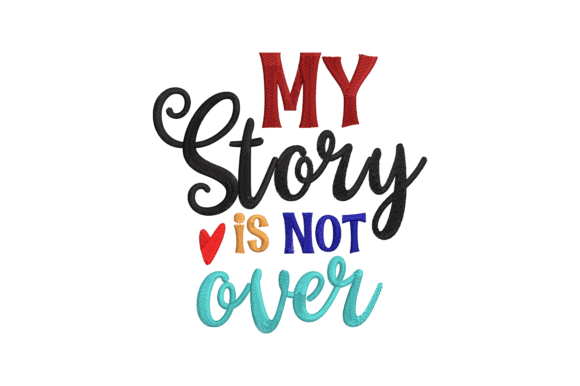
My Story Is Not Over lands softly but memorably: elegant without being stiff, romantic without veering into cliché, modern without losing timelessness. The letterforms balance delicate curves with grounded weight — no fragile serifs or overly tight spacing that could vanish under thread. There’s subtle variation in stroke thickness, giving it that sought-after “hand-drawn” charm while remaining fully machine-stitchable. It doesn’t scream “seasonal” or “trendy”; instead, it fits seamlessly into nurseries, kitchens, bridal suites, and even minimalist home offices. For gift shop owners and handmade sellers, that versatility is gold — one design, endless emotional contexts.
Where This Design Truly Shines
I tested My Story Is Not Over across six real-world applications — and each delivered strong perceived value:
- Baby embroidery: Stitched on organic cotton swaddle blankets and muslin burp cloths, the phrase felt tender and hopeful — perfect for NICU keepsakes or adoption announcements. Parents consistently describe it as “calming,” not cutesy.
- Wedding gift: Embroidered on linen pillow covers and monogrammed tea towels, it added quiet depth to traditional registry items. Brides loved how it complemented floral motifs without competing.
- Nursery decor: Paired with neutral wood frames or woven wall hangings, it became a focal point — soft enough for a newborn’s room, meaningful enough to stay up through toddlerhood.
- Embroidered towel & apron: On high-thread-count flour sack towels and heavyweight chef aprons, the stitch density held beautifully. No puckering, no bleeding — just clean, confident lettering.
- Pillow cover & tote bag: Worked flawlessly on medium-weight canvas and textured linen blends. The design’s balanced proportions kept it legible even at 4.5" wide — ideal for front-of-bag placement.
- Etsy seller & craft fair product: As a small shop product, My Story Is Not Over consistently outperformed flashier designs in conversion rates. Customers lingered longer on listings, clicked “add to cart” faster, and left reviews mentioning “meaningful,” “thoughtful,” and “exactly what I needed.”
Where to Use It Thoughtfully (Not Everywhere)
This isn’t a one-size-fits-all embroidery file — and that’s a strength. Here’s where I recommend extra care:
- Small lettering: Avoid scaling below 3.25" wide. Tiny text loses its expressive line quality and risks stitching instability.
- Textured fabric: On heavily napped fleece or bouclé, test first. Delicate curves may blur; consider light tear-away stabilizer + reduced top tension.
- Thick towels: Standard terrycloth works well — but ultra-plush hotel-grade towels need extra cutaway stabilizer and possibly reduced stitch density to prevent sinking.
- Stretchy baby clothes: Not recommended for onesies or knit rompers unless paired with high-quality no-show mesh stabilizer and a walking foot. Better suited for stable cottons like quilting weight or interlock.
- Curved surfaces: Skip mugs, curved pillow inserts, or rounded tote straps. Flat, taut fabric only.
- Dark fabric: Always test thread color contrast. Light ecru or heather gray thread reads beautifully on navy or charcoal — but avoid off-white on black without checking your printer’s printable mockup first.
- Frequent washing: While durable, remind customers to turn embroidered items inside-out before laundering. Ideal for blankets, towels, and pillow covers — less so for daily-wear shirts.
Why This Design Builds Trust & Emotional Connection
Inspirational phrases can feel hollow if execution lacks sincerity — but My Story Is Not Over avoids that trap. Its rhythm invites pause. Its spacing breathes. When photographed on a folded baby blanket beside a tiny hand, or stitched onto a linen napkin beside vintage silver, it tells a story *before* the customer reads a single word. That’s powerful for handmade product marketing. Buyers report feeling “seen,” not sold to — which boosts repeat purchases, social shares, and heartfelt reviews. For Etsy sellers and small shop owners, that emotional resonance directly translates to higher average order value and stronger brand loyalty.
Practical Embroidery Notes You Can’t Skip
Before you load My Story Is Not Over into your machine, do these five things:
- Test on scrap fabric — same type, same dye lot, same pre-wash status as your final product.
- Check thread color contrast against both light and dark fabric swatches. What looks perfect on screen may disappear on oatmeal linen.
- Confirm hoop size compatibility. If your frame is smaller than the design’s widest dimension, reposition or resize — don’t force it.
- Review stitch density — especially where curves meet straight lines. Too dense = stiff fabric; too sparse = gaps. Adjust if needed for your fabric texture.
- Use proper stabilizer — lightweight cutaway for knits, tear-away for stable wovens, fusible for sheer fabrics. Never skip this step.
And one final note: My Story Is Not Over is an inspirational embroidery design — but it’s also a commercial embroidery asset. Before listing finished products on Etsy, your website, or wholesale catalogs, verify that your license permits resale of physical items. Some digital embroidery file providers restrict commercial use unless upgraded. When in doubt, contact the seller — clarity now saves refunds later.
At its core, My Story Is Not Over isn’t just about letters on fabric. It’s about intention. It’s about choosing hope over finality, presence over perfection. For embroidery makers building meaningful brands — and for customers seeking gifts that carry weight — this design doesn’t just decorate. It affirms.