Lantern: Warmth & Elegance for Holiday Embroidery
First Impression: Festive, Cozy, and Timelessly Elegant
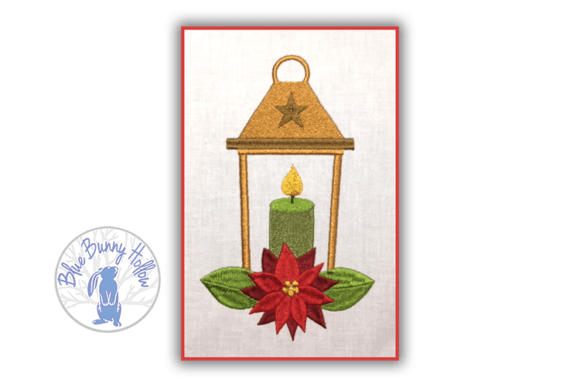
When I opened the Lantern machine embroidery design, I felt that quiet holiday hush—the kind you get when walking into a softly lit room on Christmas Eve. It’s not loud or flashy; it’s warm, intentional, and deeply evocative. The flickering candle inside the lantern suggests movement and life, while the poinsettia isn’t just decorative—it’s richly rendered, with layered petals that imply dimension without overloading detail. This isn’t a cartoonish or overly modern holiday motif. It leans into elegance and quiet reverence—ideal for shoppers seeking handmade gifts that feel meaningful, not mass-produced.
Real-World Seasonal Use: Where Lantern Shines
I immediately pictured Lantern stitched onto heavyweight cotton sweatshirts—centered on the chest for family matching sets, or subtly placed on the sleeve for a refined touch. On natural linen tote bags, it reads as artisanal and giftable; on kitchen towels, it adds charm without sacrificing function. For pillow covers and table linens, Lantern delivers instant seasonal cohesion—especially when paired with neutral tones like cream, charcoal, or forest green.
As an Etsy seller, I’d bundle Lantern into small shop product kits: one embroidered patch + matching thread pack + printable mockup guide. That combo supports both crafters and new embroiderers—and builds trust through clarity and usability. At craft fairs, this design stands out on aprons and baby onesies because it feels personal, not generic. And for limited edition apparel drops? Lantern elevates perceived value. Its balance of detail and restraint makes finished products look premium—not “designed in a rush for December.”
Where to Use Lantern Thoughtfully (and Where to Pause)
Lantern performs beautifully on stable, medium-weight fabrics—but requires attention in specific scenarios. On thick terry cloth kitchen towels, stitch density matters: too dense, and the design may pucker; too light, and the candle glow loses definition. Always test on your exact fabric texture before bulk production.
For dark fabric, avoid relying solely on default thread colors. The candle flame needs luminosity—consider blending ivory, pale gold, and soft amber to simulate flicker. Metallic thread can enhance the lantern frame but risks breakage on high-speed machines; if using it, reduce speed and increase stabilizer support.
Stretchy garments (like ribbed knit baby caps or lightweight lounge sets) demand extra care. The poinsettia’s curves and the lantern’s fine lines may distort without proper cutaway stabilizer and precise hooping. Likewise, curved surfaces like baseball caps require digitizing adjustments—Lantern wasn’t built for that application unless modified by a seasoned digitizer.
Small hoop sizes (<5” diameter) are possible, but only if you’re stitching a simplified version—or cropping thoughtfully (e.g., lantern only, no full poinsettia sprawl). Tiny lettering isn’t part of this design, so no concerns there—but always verify the smallest visible detail (like candle wick or petal edge) holds up at your target size.
Emotional & Commercial Impact During Peak Holiday Shopping
Holiday embroidery isn’t just decoration—it’s emotional shorthand. Lantern taps directly into nostalgia, warmth, and quiet celebration. That translates to stronger buyer emotion in listings, higher engagement on Instagram previews, and better conversion on Etsy when paired with thoughtful copy (“A keepsake-ready design for slow, sacred moments”).
It also strengthens brand consistency. If your shop centers on elevated handmade gifts, Lantern fits seamlessly alongside other refined seasonal embroidery files—no jarring tonal shifts. Customers begin to recognize your aesthetic: intentional, unhurried, quietly festive. That recognition builds trust, especially during crowded holiday shopping periods when buyers scroll fast and choose based on vibe as much as product.
And yes—it boosts giftability. A pillow cover with Lantern feels like a curated present, not a last-minute add-on. Pair it with a handwritten note and twine-wrapped packaging, and you’ve got a personalized gift that resonates far beyond the season.
Practical Designer Notes Before You Stitch
- Test thread colors on both light and dark fabric—especially for the candle flame and poinsettia center. What reads as warm on white may vanish on navy.
- Check stitch density before scaling. If enlarging for a tote bag, confirm fill areas don’t become overly dense and cause stiffness.
- Confirm hoop size compatibility with your most-used frames—and note whether the design splits across multiple hoops (if applicable).
- Use appropriate stabilizer: medium-weight cutaway for knits, tear-away for stable wovens, and fusible + tear-away for towels.
- Create realistic mockups using actual fabric swatches—not just digital overlays. Lighting and texture dramatically affect how Lantern’s warmth comes across.
- Review small details after stitching: Does the candle glow read clearly? Are poinsettia edges crisp, not fuzzy? Adjust tension or needle size if needed.
- Plan matching color palettes across your seasonal collection—Lantern pairs naturally with deep reds, aged brass, oatmeal, and slate blue.
- Confirm commercial licensing before selling finished products. As a small shop owner, you need clear rights for physical goods—don’t assume digital embroidery file licenses cover resale of embroidered items.
Final Thought: Lantern Is Ready for Real Holiday Demand
This isn’t just another Christmas embroidery file. Lantern is a versatile, emotionally grounded seasonal embroidery asset—one that supports storytelling, builds brand warmth, and performs across categories without compromise. Whether you’re launching a holiday capsule collection, stocking craft fair booths, or building an Etsy shop known for heirloom-quality handmade gifts, Lantern earns its place—not as filler, but as a focal point. It invites slowing down. And in the whirlwind of holiday commerce, that’s the rarest, most valuable stitch of all.